A scoping study of the viability of the Community Power Hub model to support CORE projects in Cambodia
Project background
Cambodia’s electricity supply is undergoing an impressive twin transformation. Over the past two decades, Cambodia’s electricity access rate has increased from 6.6% (2000) to 97.5% (end of 2022), primarily through the expansion of the grid and earning recognition as one of the ‘fastest electrifying countries in the world‘. At the same time, Cambodia has also committed to a plan to achieve carbon neutrality by 2050.
However, there remain 245 villages with no electricity access, and many more with inadequate or unreliable access. The remoteness, low population densities and complex topography of these villages call into question the economics of expanding the grid to these communities, leaving them stranded and disadvantaged. Herein lies the opportunity for community-owned renewable energy (CORE). Small scale micro-grids and renewable energy generation offers a cheaper, faster alternative to grid expansion. CORE has the potential to provide a practical solution to energy supply while increasing energy justice and participation in energy decision making.
This project looked into ways to support the uptake of CORE projects in rural and remote villages in Cambodia. Community Power Agency was engaged to test the appropriateness and transferability of the successful Australian ‘Community Power Hubs’ (CPH) model as a means of doing this. The output of this project was a scoping study informed by in-country interviews, focus groups, field visits and a multi stakeholder co-design workshop. The study also drew on Community Power Agency’s research on the Scottish CARES model (Community and Renewable Energy Scotland).
Community Power Agency (CPA) had previously assisted AMPERES in the development of the ASEAN Regional CORE Power Association Prospectus before being invited to collaborate on the next step; to develop a model for CORE support and capacity building.
Services delivered
Research
Presentations
Facilitation
Community engagement
Resource development
Our approach
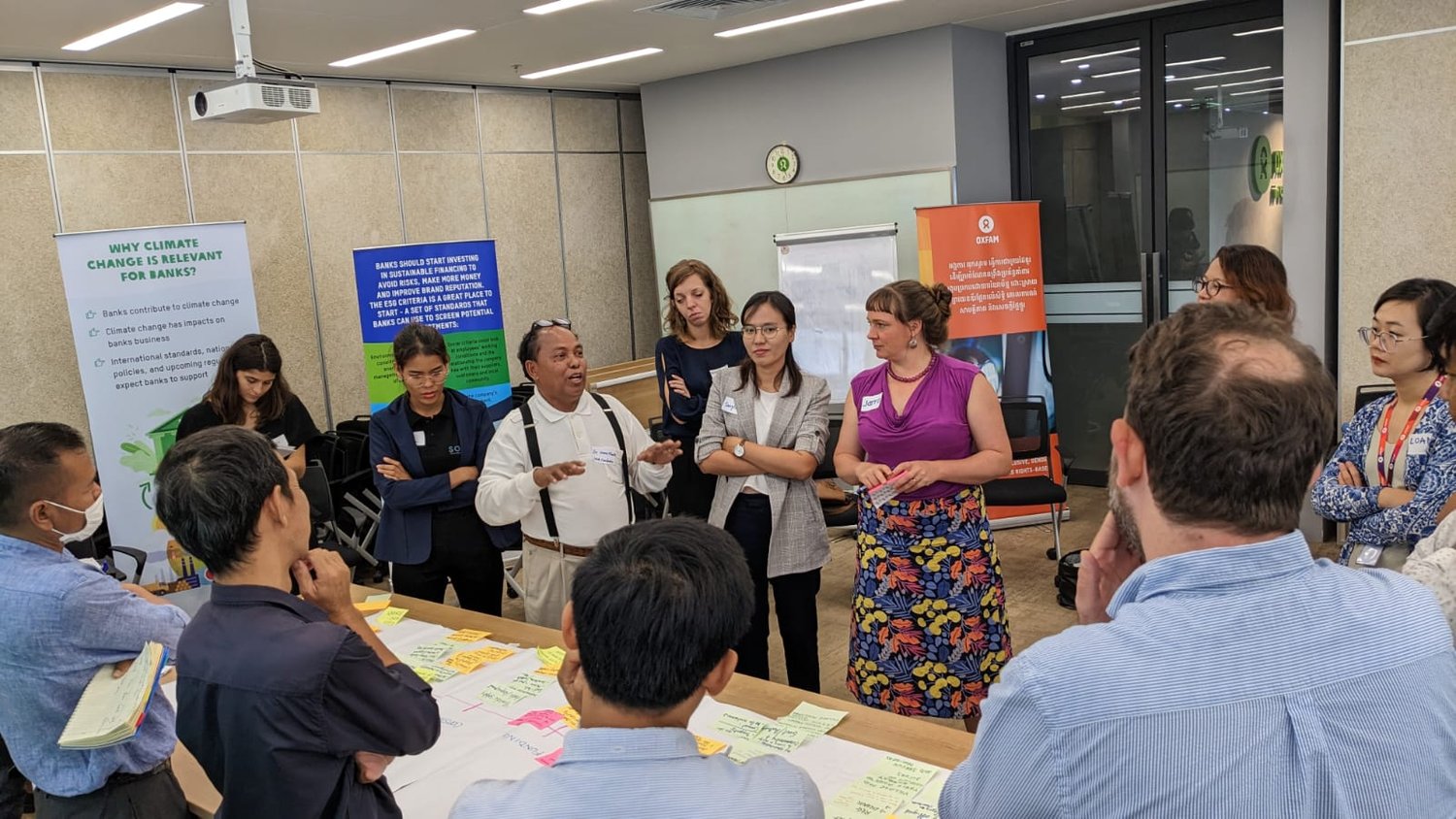
We worked with the in-country Oxfam team and regionally-based AMPERES to test the Community Power Hubs model for the Cambodian context. This involved field visits to villages that already had experience with solar mini-grids, doing interviews and running a collaborative workshops with industry, government and NGO representatives to develop a suitable model to support future CORE projects.
Research to date has indicated that community energy support models that have been tried and tested in Australia hold significant potential to improve electricity access in the Mekong, particularly with a business model that centres more of the social and environmental benefit for remote communities to contribute to a just transition.
However, this research also highlighted the need for organisational support for communities to ensure success of the community energy model in the Mekong, including a need for greater awareness and lesson-sharing between CORE projects. Previous research concluded that this would best be served through establishing a regional association for community energy to advocate for the integration of CORE models into national socio-economic and power sector planning, while providing practical, capacity building support to train local communities in how to design community energy projects, connect them with appropriate engineering services and attract concessionary financing of projects.
Our approach was to scope a model that would be effective, efficient, accessible and socially appropriate for supporting villages to pursue CORE, and to use co-design process to adapt Australian and Scottish models of CORE support.
CPA Director Jarra Hicks interviewed national stakeholders, non government organisations, government and renewable energy developers to inform the project. Along with project partners, Jarra also visited three villages in Ratanakiri and the floating village in Tonle Sap to learn from the experiences of these communities in setting up their own CORE projects.
Project outcomes and impact
Key findings
In all communities that were visited, it was demonstrated that access to electricity improved people’s lives, for example, the:
Ability to pump water improved access to clean water and sanitation, as well as reducing the labour of women
Use of lighting enabled study and social gatherings at night
Electric rice cooking and kettles reduced the need for wood fuel, and the time and environmental impact of collecting wood, and
Fans increased heat resilience.
Community committees managed operation and management of the CORE projects, and were involved in planning and building the projects alongside the technical partners, who led the design and construction. All the projects we visited relied on donor funding. The challenges identified gave a good indicator of where additional support and resourcing was needed.
The CORE Support Program is proposed to provide a sustainable and scalable approach to supporting rural and remote villages to access renewable energy for electrification and water pumping. It aims to take lessons from what has worked well from experiences to date in Cambodia and combine these with models of activating CORE rapidly from overseas. The CORE Support Program is designed to grow the capacity to support villages to establish CORE projects, so that villages can be electrified more quickly, manage their projects well and be more sustainable over the long term.
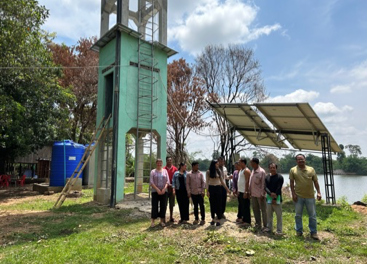
Srepok Touch village, solar water pumping system established by Live and Learn Cambodia
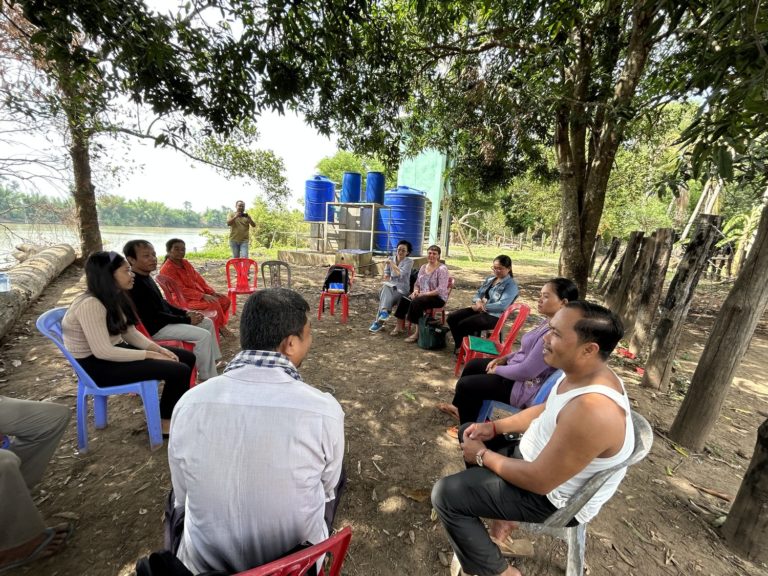
Srepok Touch village, Jarra and project partners meeting with the management committee.
Impact
By establishing a suitable way to support CORE projects across target regions of Cambodia, local communities will be activated to access and benefit from clean, affordable energy delivered in ways that are appropriate for the local context and which meet energy justice goals.
Building the capacity of local organisations and local communities to develop, operate, manage and maintain CORE projects creates a strong sense of local ownership and empowerment, and this will contribute to long term sustainability of the projects. Eventually the model will support community-led, renewable electrification of rural and remote villages, empower people in energy transformation, boost local livelihood opportunities, and act as a model for other villages.
To make the CORE sustainable and replicable, it needs to link with government policy and strategies especially related to Cambodian sustainable development goals (SDG 7) and national programs related to rural electrification and rural energy that aims to promote access of energy for all. The program needs to target off-grid community especially those that are considered most vulnerable peoples (women, indigenous people, disable peoples) to shocks from disaster, economic disasters, and pandemic (covid 19) and be used as a mean to narrow the gaps of inequality, and poverty reduction between off-grid communities and fully electrified communities. The programs should also empower communities not only to sustain the operations of CORE projects but also use CORE as an economic and community development initiative.
The recommendations from the report included guidance around the design and implementation of a Pilot Cambodian Community Hubs program.The intention is to seek funding to support the establishment of the model in Cambodia and other Mekong countries.
Speaking highlights include:
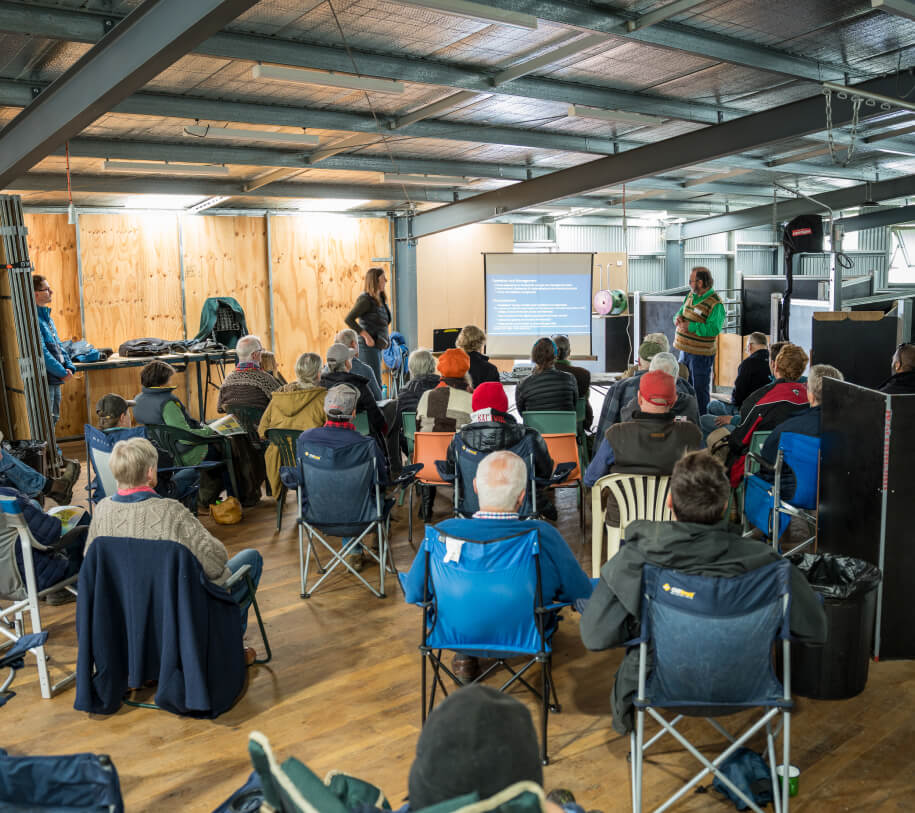
Jarra briefed both the Cambodia and Bangkok Department of Foreign Affairs and Trade (DFAT) offices on the findings of the scoping study and the opportunities for next steps.